REMEMBERING THE WAR- Camp Vught
National Memorial Camp Vught
Collection National Monument Camp Vught
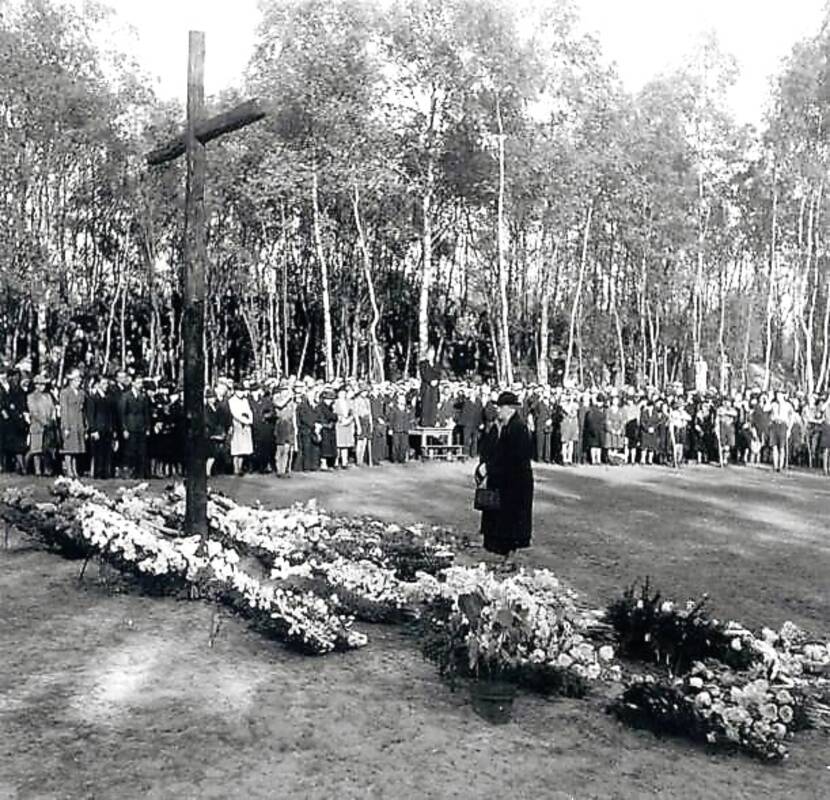
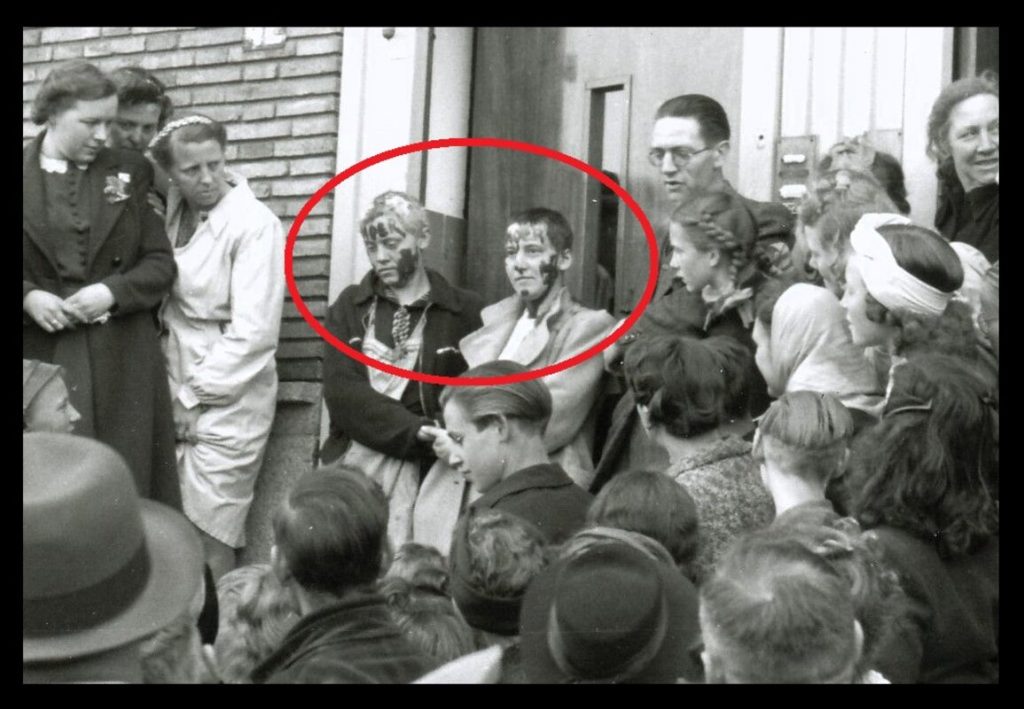
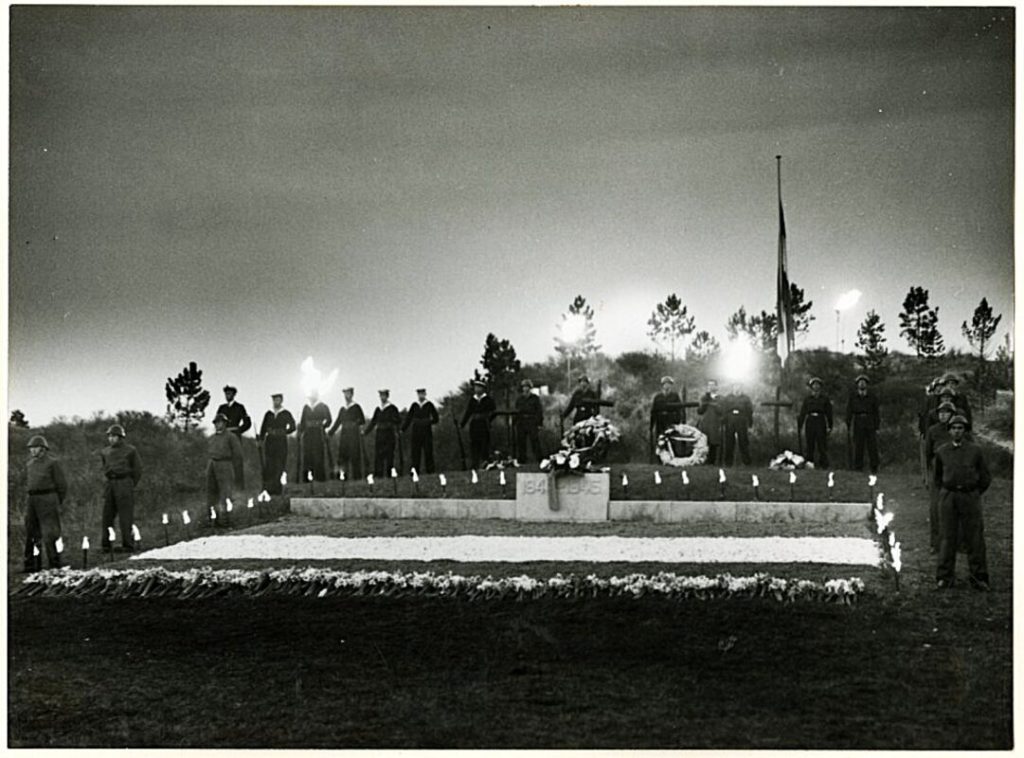
Towards the end of the war when Mies Boissevain and the others had been forced onto trains to Ravensbrück, Camp Vught, soon served as a prison -First, for captured Nazis and later for collaborators. In May of 1946, a year after the war had ended, Queen Wilhelmina visited the execution area in the woods near Camp Vught for a commemoration.
Picture credit: Jorinde
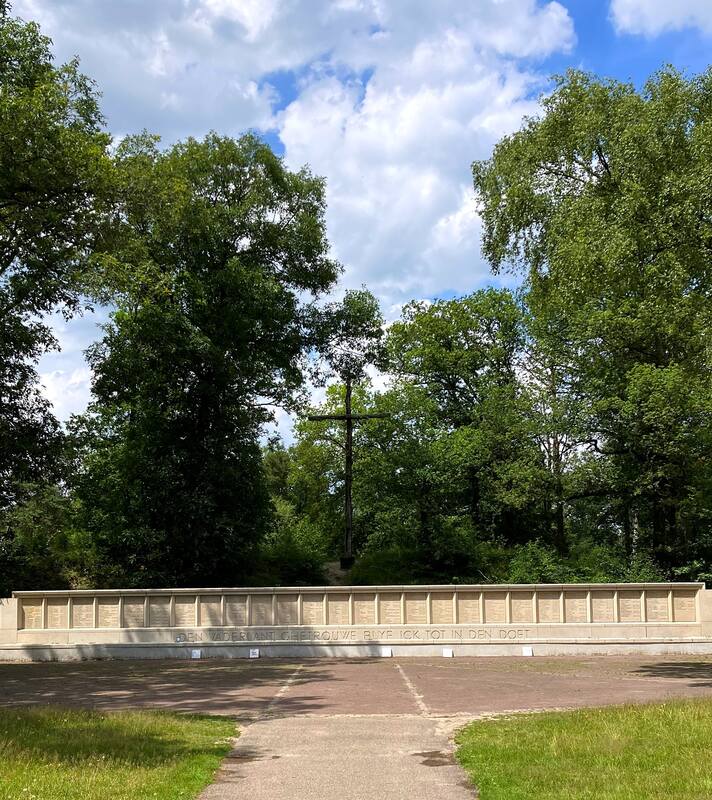
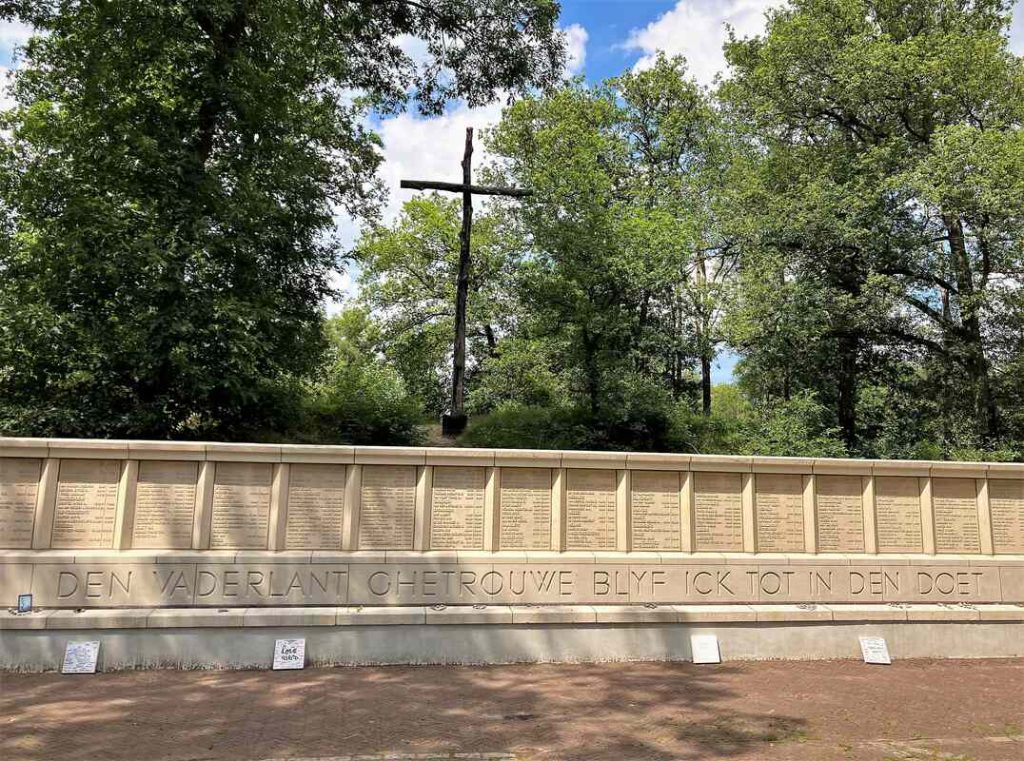
It was not until 1990 that the Memorial was established where Bob Celosse along with 328 other men was shot.
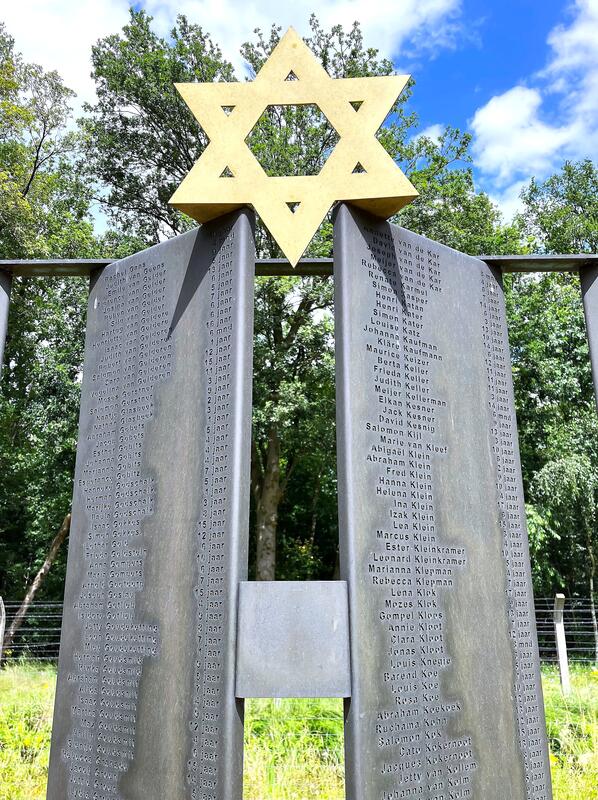
Picture credit: Jorinde
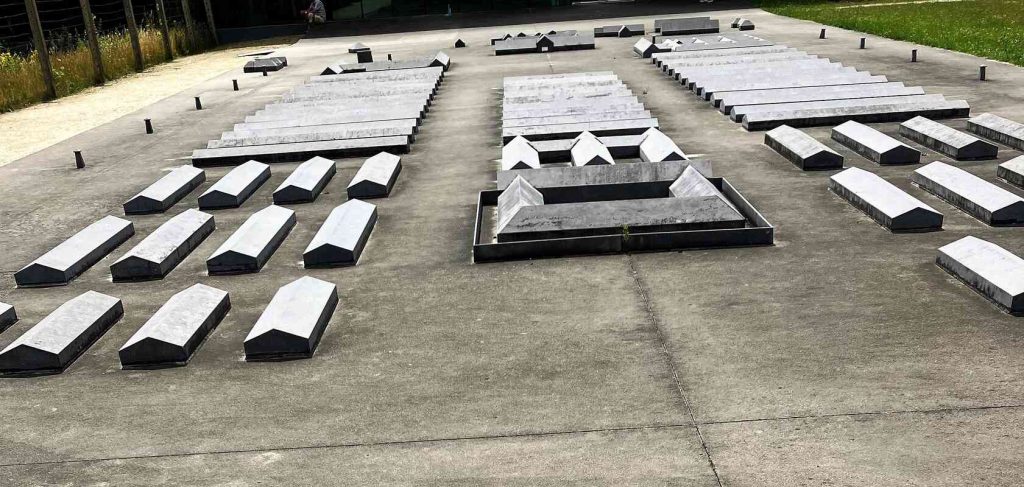
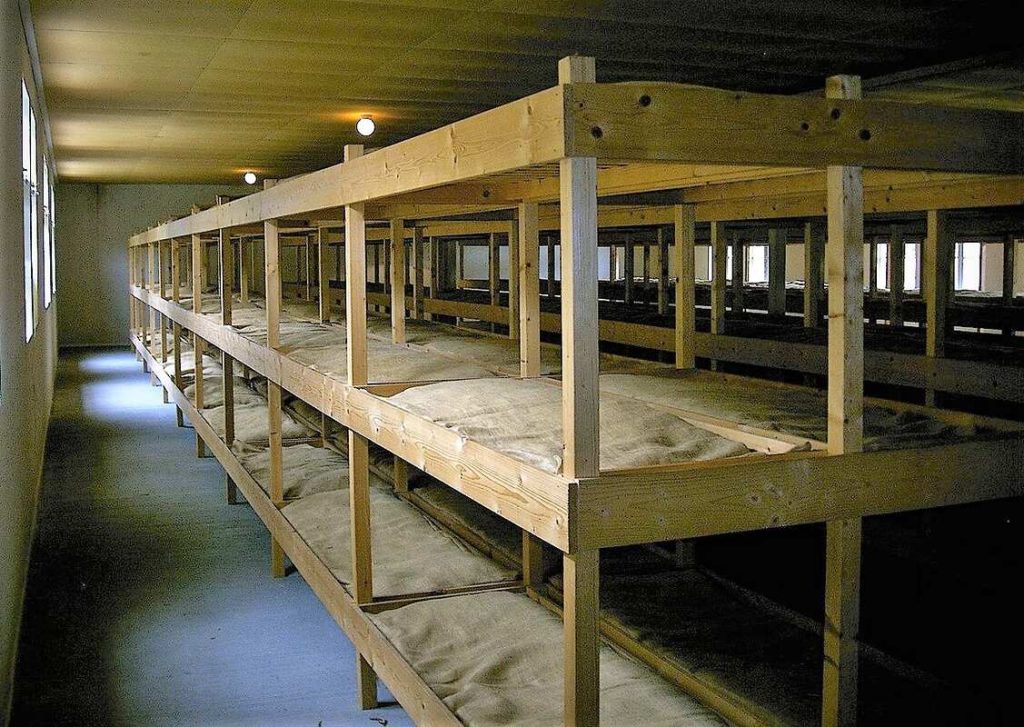
Some 1300 Jewish children left Vught to be transported by train to death camps. This memorial, barrack 1B, and the museum with its permanent and changing exhibitions are often visited by Dutch school children on fieldtrips.
See: https://www.nmkampvught.nl/ontdekken/het-verhaal/na-de-oorlog/
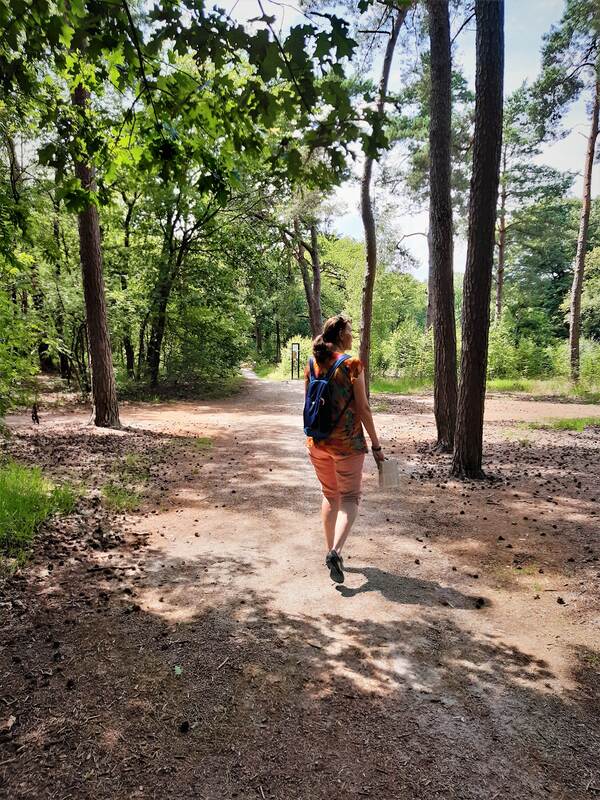
the museum and execution area
Picture credit: Miekie Koster
On a beautiful day in June of 2022, my sister Miekie and I visited Camp Vught, a mere 45 minutes from where we grew up. It was not until later that day back home when my sister played the song “Kamp Vught” written and performed in the local dialect by singer Gerard van Maasakkers that we both started crying.
The song is about a family man who is given the “choice” by the Nazis to be sent to Germany or to come paint the barracks at Camp Vught. It is a small, intimate story of how the man always leaves sandwiches behind when the Nazis don’t look, how he meets a prisoner whose message to his wife and children he smuggles to her, and how she gives the man apples and a message of hope for her husband in return. The song repeats the question, “What would you do?”
similar galleries
discover
JOIN MY NEWSLETTER
To receive announcements about new blogs, images, essays, lectures, and novels, please sign up.